Streetwear Design Ideas Templates: Urban Style Assets
The Visual Language of Streetwear
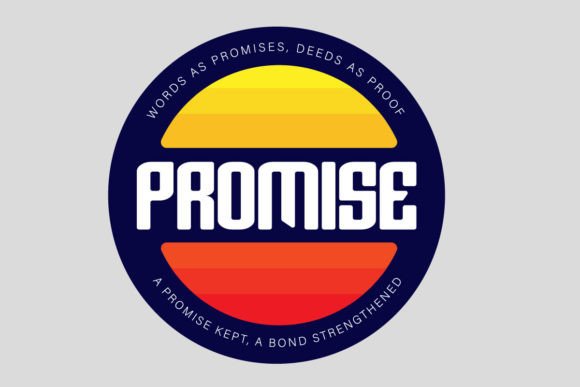
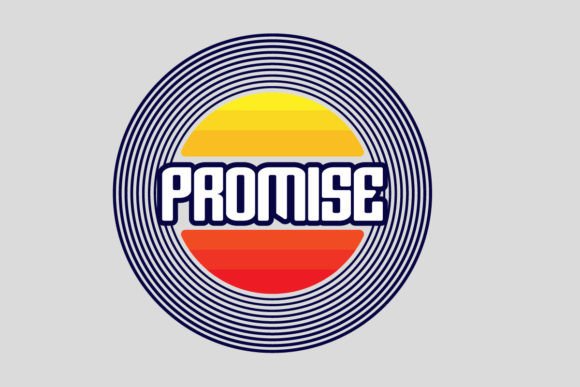
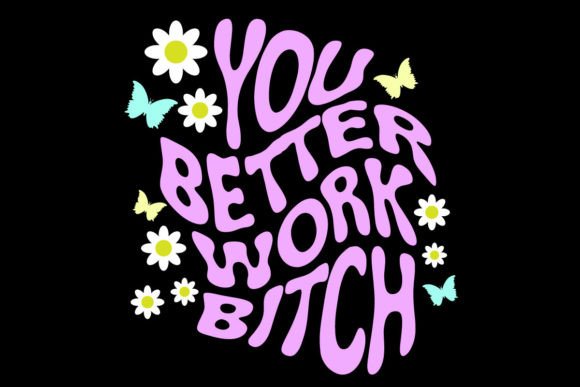
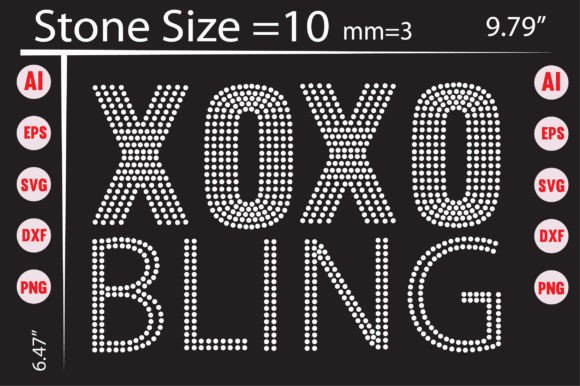
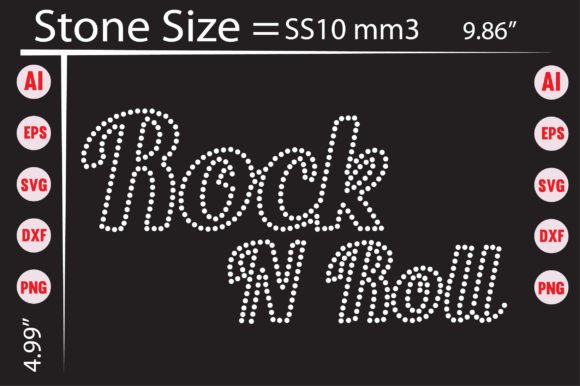
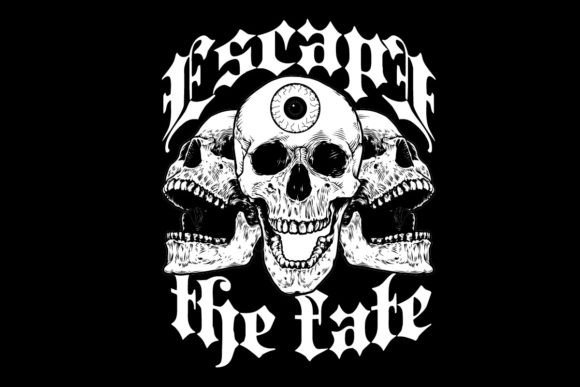
Streetwear Design Ideas Templates are more than just a collection of graphics; they are a direct translation of urban culture into a versatile digital asset. These designs capture the raw, expressive energy found on city walls, in music scenes, and across global fashion districts. The aesthetic is bold, often featuring a mix of graffiti-inspired lettering, abstract shapes, and iconic urban motifs. Think of high-contrast imagery, distressed textures, and layouts that feel both intentionally chaotic and meticulously composed. This particular collection presents a unique and aesthetic urban streetwear design style, perfect for creators who need to channel that authentic, contemporary vibe into their projects. The personality is confident, youthful, and slightly rebellious, appealing directly to audiences who value individuality and cultural relevance.
Unlike a traditional serif font or a clean sans serif font, these templates operate as complete visual statements. They function as a premium design asset, providing a foundation for brand identity that speaks volumes without saying a word. The appeal lies in their immediacy and connection to a lifestyle. For a designer, this means you are not just applying a style; you are importing a piece of street culture directly into your workflow, ready to be adapted and made your own.
Where Urban Design Meets Practical Application
The true strength of Streetwear Design Ideas Templates is their adaptability across a spectrum of commercial and creative projects. For entrepreneurs launching a fashion brand, these graphics are ideal for creating custom printed clothing. Imagine applying a striking template to a t-shirt, hoodie, or cap; the design instantly confers a sense of cool, established style. This is where the asset moves from digital file to tangible product, influencing brand perception at the point of sale. Small business owners can leverage these templates for merchandise, packaging design for urban lifestyle products, or even eye-catching social media graphics that stop the scroll.
For designers and content creators, the applications extend further. Use them in editorial design for magazine spreads or blog headers that cover music, art, or street culture. They can form the basis of a dynamic logo design for a new record label, skate shop, or digital agency. The visual hierarchy inherent in these templates—often using scale, bold outlines, and textured fills—ensures that key messages cut through the noise. When integrated into web design, they can create immersive landing pages or standout banners that resonate with a younger, style-conscious demographic.
Practical Guidance for Creative Integration
Working with these assets requires a thoughtful approach to ensure they enhance rather than overwhelm your project. First, always evaluate the fit between the template's personality and your brand's voice. A gritty, spray-paint style might be perfect for a streetwear line but less suitable for a luxury wellness brand. The key is alignment. When considering font pairing, look for balance. A complex, artistic display font from the template might pair well with a simple, clean sans serif font for body text, ensuring readability while maintaining visual interest.
Since the files are provided as 100% vector sources in EPS formats, you have complete creative control. This is a significant advantage. You can easily edit the vector files in any vector graphics software, such as Adobe Illustrator or Affinity Designer. Transform, scale up & down, add & remove elements or text, and recolor without losing quality. This flexibility allows you to customize the design to fit specific color palettes, integrate unique typography, or adjust compositions for different mediums, from a small label to a large back print. Always test the design in its intended context—mock it up on a t-shirt, view it at thumbnail size for a social media icon, and check its clarity on a mobile screen.
Maximizing Your Design Investment
When you acquire a set of Streetwear Design Ideas Templates, you are investing in a toolkit that can elevate multiple projects. To maximize its value, start by reviewing all included styles within the collection. Look for variations in theme, complexity, and color to understand the full range of possibilities. Consider how different elements can be mixed and matched. A graphic element from one template could be combined with the text layout from another, creating entirely new compositions.
For commercial projects, understanding the licensing is crucial. Ensure the asset's license covers your intended use, whether for physical merchandise, digital products, or client work. This provides legal clarity and professionalism. Finally, think about consistency. Using these templates thoughtfully across your branding—from your website to your packaging design—can build a cohesive and recognizable brand identity. The goal is not to use every design at once but to select and adapt elements that consistently communicate your unique urban aesthetic. This strategic use transforms a collection of graphics into a cornerstone of your creative and commercial strategy.