Modern Flyer Templates: Streamlining Your Marketing Design
More Than Just Paper: The Anatomy of a Great Flyer
In the fast-paced world of marketing, you rarely have time to build every single asset from scratch. Whether you are a small business owner announcing a grand opening, a marketer promoting a seasonal sale, or a designer managing multiple clients, speed and quality are your most valuable commodities. This is where a high-quality Set of Modern Flyer Templates becomes indispensable. It is not just about having a pre-made layout; it is about having a professional foundation that respects your time while ensuring your final product looks top-tier. When you invest in a curated set, you are buying consistency and a streamlined workflow, allowing you to focus on the message rather than the pixel-perfect alignment of every text box.
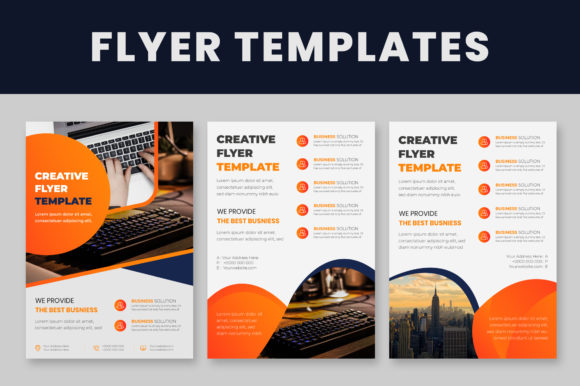
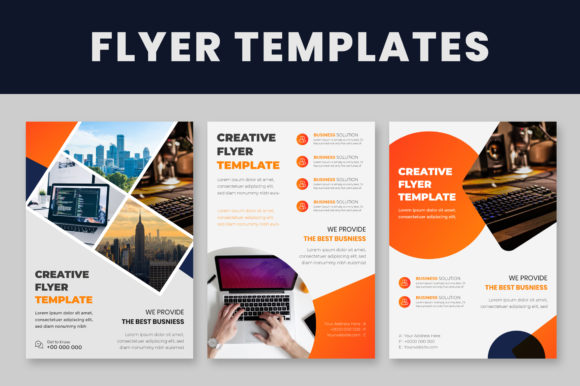
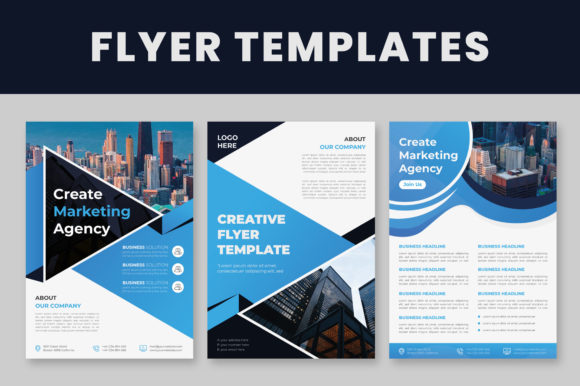
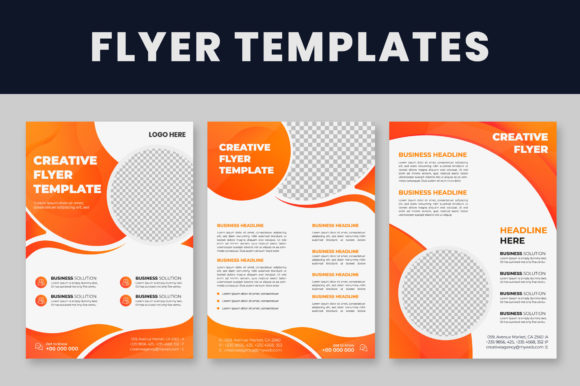
A truly modern flyer template set usually comes with a distinct visual personality. We are moving away from the cluttered, overly busy designs of the past. Today’s aesthetic favors clean lines, ample negative space, and a strong sense of visual hierarchy. This specific set includes three distinct files in A4 size, offering a canvas that is universally recognized and easy to print. The visual appeal lies in its versatility; the well-organized layers suggest a professional build, meaning you won't waste hours digging through folders to find a background element. For anyone involved in editorial design or brand identity, this structure is a relief. It allows for a seamless transition from the digital file to the physical print, ensuring that the high-quality output matches the high standards of your brand.
The Power of Editability: Tailoring the Design to Your Brand
The true value of a premium font or template lies in how easily it can be adapted. A rigid design is a dead end, but a flexible one is a launchpad. One of the standout features of this collection is that it is 100% editable. This isn't just a buzzword; it is a functional necessity for content creators and entrepreneurs. The files are provided in EPS and Illustrator formats, ensuring compatibility with industry-standard software from CS to the latest versions. This broad compatibility means you aren't forced to update your entire software suite just to open a file. It respects the tools you already use, integrating smoothly into your existing web design and print production pipeline.
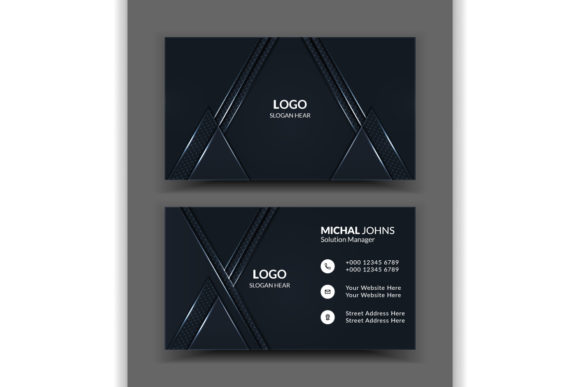
Typography is the voice of your design, and this set makes it easy to speak your brand's language. The templates utilize free fonts, which is a massive advantage for hobbyists and small business owners working with limited budgets. You get the look of a creative font without the recurring licensing fees often associated with commercial fonts. To make the design truly yours, the process is intuitive. If the default typography doesn't fit your brand identity, you can easily swap it out. The instructions are simple: install the recommended fonts first, open the file, and use the Type Tool to click and replace the text. This ease of use extends to graphical elements as well. You can change the logo by simply selecting the placeholder with the Selection Tool, deleting it, and dropping in your own vector mark. This level of control is crucial for maintaining brand consistency across all your marketing materials.
Practical Applications: From Digital Feeds to Print Shops
Where does a set of modern flyer templates fit into your ecosystem? The answer is almost everywhere. For marketers, these templates are perfect for rapid-fire campaign deployment. Imagine launching a flash sale; you don't have time to wait for a custom design. You need a social media graphic and a printable flyer now. Because the files are organized and the colors are easily adjustable via the color palette, you can match the flyer to your campaign's hex codes in minutes.
For publishers and bloggers, these assets work beautifully for event announcements or media kits. The A4 size is standard for press releases and proposals, making these templates a dual-purpose tool for both promotion and professional networking. Even for personal projects, such as a community event or a craft fair, having a well-organized layer structure means you can print at home or at a professional shop without technical errors.
Mastering the Workflow: Tips for Maximum Impact
To get the most out of your design assets, you need to approach the editing process with a strategy. Don't just swap text and call it a day. Consider the visual hierarchy. The original designer has laid out the template with a specific flow in mind—usually leading the eye from the headline to the imagery, and finally to the call to action. When you change the text, try to keep your headlines roughly the same size as the placeholder text to maintain that balance. If your text is significantly longer, you may need to adjust the tracking or leading, or perhaps cut down on the copy. Good design is often about what you remove rather than what you add.
Color psychology also plays a massive role. The templates likely come with a specific palette, but the 100% editable nature allows you to shift the mood entirely. A bright, energetic palette might work for a fitness brand, while a muted, earth-tone scheme is better for an artisan bakery. Use the color palette in Illustrator to sample your brand's primary and secondary colors. Be mindful of contrast, especially for readability. A sans serif font usually works best for body text in flyers because it maintains legibility at smaller sizes and from a distance, whereas a script font or serif font might be reserved for elegant headers.
Finally, remember that the image is not included. This is standard for template bundles, but it requires your attention. The placeholder image sets the tone, so you need to replace it with a photo that has similar lighting and composition. If the template features a subject on the right looking left, try to find a stock photo or a personal photo that mimics this. This ensures the layout feels intentional rather than forced. By combining the structural integrity of a modern typography