Demographic Infographic Templates: Your Data Storytelling Toolkit
Beyond the Bar Chart: What Makes These Templates Special
Let's be honest, a spreadsheet full of numbers about your audience's age, location, or interests isn't exactly thrilling. It's raw material. Demographic infographic templates are the specialized tools that transform that raw material into a compelling visual narrative. They're not just about making charts; they're about designing a story. A well-crafted template provides a visual hierarchy that guides the viewer's eye, using color, iconography, and layout to highlight key insights. You'll often find a mix of clean sans serif fonts for clarity in data labels paired with a more distinctive display font for headings, creating a balanced and professional brand identity even within a single graphic. The overall appeal is one of organized creativity—structured enough to be credible, yet flexible enough to feel engaging and modern.
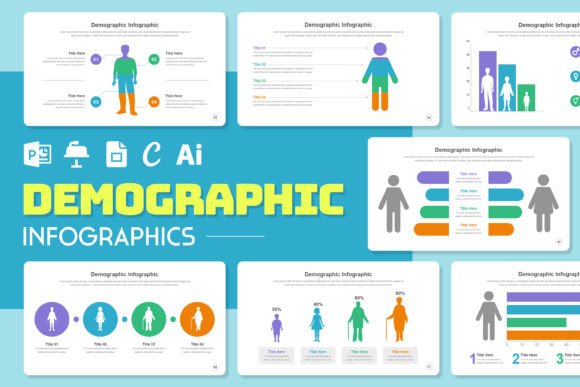
Think of these templates as design assets with built-in intelligence. They come pre-structured with common demographic segments: pie charts for age distribution, map pinpoints for geographic clusters, icon arrays for household composition, or progress bars for preference ratings. The personality is analytical yet approachable. They use a visual language that's universally understood—people icons, location markers, speech bubbles—making complex data accessible at a glance. This is modern typography and data visualization working in concert, where every element serves the dual purpose of looking good and communicating clearly.
Where to Deploy Your Demographic Visuals: Real-World Applications
The utility of a solid demographic infographic template stretches across nearly every professional and creative field. For the marketer or entrepreneur, it's the backbone of a market analysis presentation, a slide in a investor pitch, or a shareable social media graphic that announces, "This is who we serve." It builds instant credibility. For bloggers and content creators, it's a powerful tool for audience development posts, explaining who reads their content, which can attract like-minded brands for collaborations.
In editorial design and publishing, these templates add depth to articles, reports, and whitepapers. A local newspaper might use one to visualize census data for a community story. A small business owner could create a simple one-page infographic for their "About Us" page, humanizing their brand by showing the diversity of their customer base. Even crafters and hobbyists find value—imagine a knitting pattern designer illustrating the global breakdown of their customers, or a local pottery studio mapping where their workshop attendees come from. The key is context: the template's clean lines and structured layouts lend professionalism to any project, whether it's a print brochure, a digital PDF report, or an animated social media graphics carousel.
Choosing and Customizing: Practical Tips for a Perfect Fit
Not all templates are created equal, and your choice will directly impact readability and engagement. Start by evaluating the template's core style. Does it use a serif font for a more traditional, authoritative feel, or a sans serif for a clean, contemporary look? This initial style sets the tone for your entire piece. Always preview the template with your own data. A chart that looks elegant with placeholder text might become cluttered when you input your specific, longer category names. Test font pairings—if the template includes a script font or handwritten font for accents, ensure it remains legible at small sizes and doesn't clash with your brand's existing typeface.
Look for flexibility in the template's structure. Can you easily change the color scheme to match your brand identity? Are the data visualization elements (like charts and graphs) editable vectors, or are they static images? This matters for consistency across future projects. For commercial use, scrutinize the licensing. A premium font embedded in the template often requires its own license for distribution, especially if you're creating a logo design or packaging design element derived from it. When in doubt, treat the template as a starting point—a sophisticated blueprint that you adapt. The goal isn't to use every bell and whistle it offers, but to leverage its structure to make your demographic data clear, compelling, and unmistakably yours. The best templates fade into the background, letting your story about your audience take center stage.